
An Improvisation Fetish
Why we love it when actors don’t act

We love it when our actors aren’t acting.
There are several time honored *improvisated acting* classics. They’re everyone’s favorite pieces of movie trivia, clips that consistently go viral on the algorithm. Leo’s broken glass scene in Django Unchained. Heath Ledger’s Joker. Funny how?
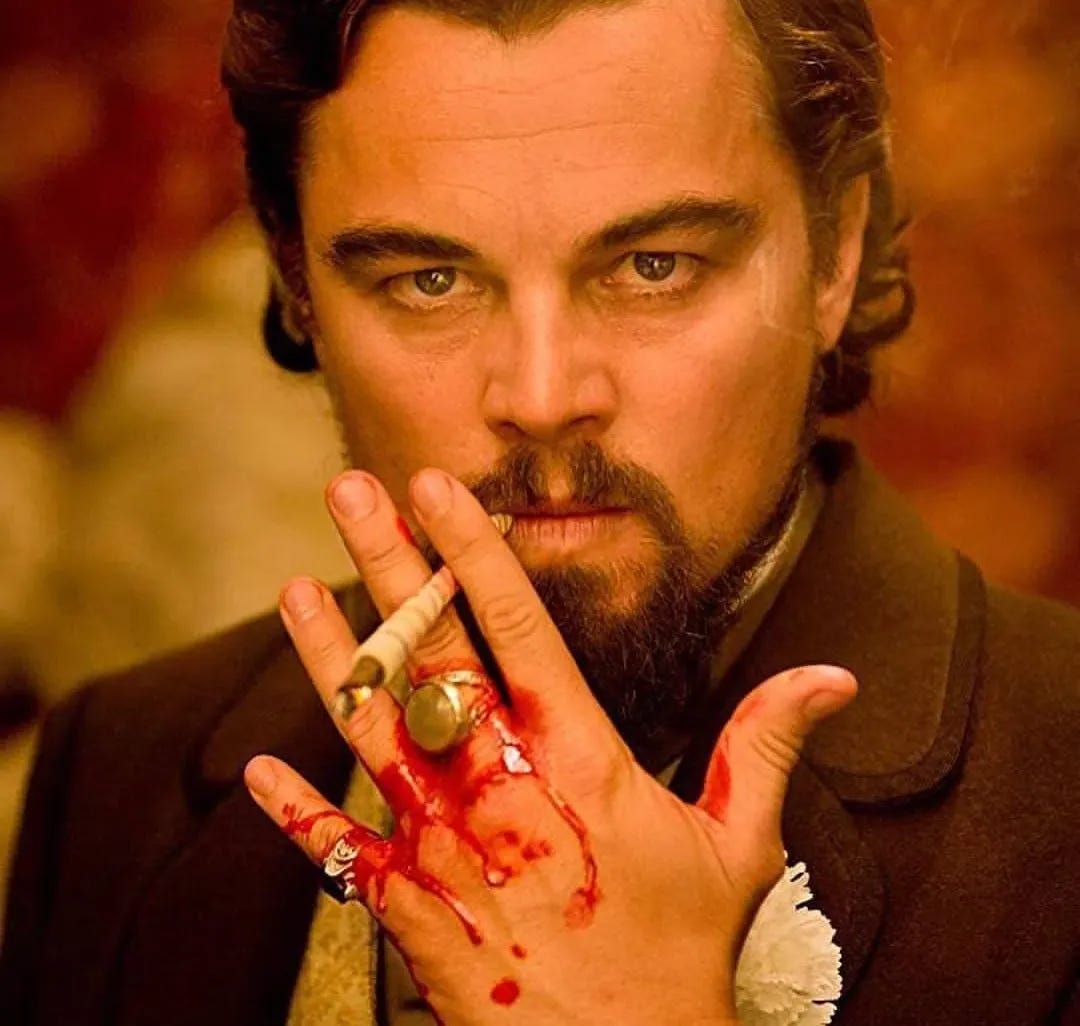
Whether it’s a mishap in filming, a deviation from the script, a misplaced prop, or simply the spirit of God striking them, we love when actors improvise.
But what is it about improvisation that so titillates us? Why does an action on screen lose its sparkle if it happens to be written in a script, or if a director commands it? If Leo had been meant to cut his hand – if it had been scripted – would we admire the scene nearly as much?

Scripted is the operative, and ugly, word in this scenario. It stands in direct opposition to the beauty we find in improvisation. Today, I’d like to explore why that is.
On Artifice
Tom Gunning, in his ‘An Aesthetic of Astonishment’ essay about early cinema, talks about how film is underpinned by artifice. That is to say, film is artificial. We know this whenever we go to a movie. We know that it cost millions upon millions of dollars. That there was an extensive script, a cast of dozens of actors and hundreds of contributors, countless takes of every scene from every angle, all painstakingly chopped and edited together with soaring music and CGI matted on top.
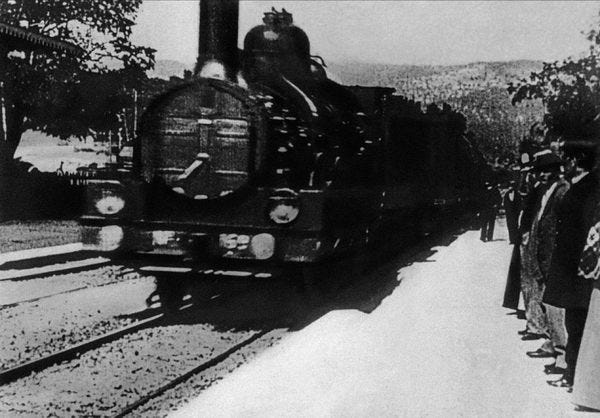
In other words, we know that none of what we see on the screen is real.
Yet it moves us. It moves us enough that this newsletter exists and you’re sitting on your phone reading it. We see the artifice, suspend every ounce of disbelief, and allow ourselves to be taken somewhere beyond.
Film is wholly unlike any other piece of art. Unlike novels, songs, poetry, or paintings, which – even if they’ve had other hands touch and mold them – are the products of a single person or group.
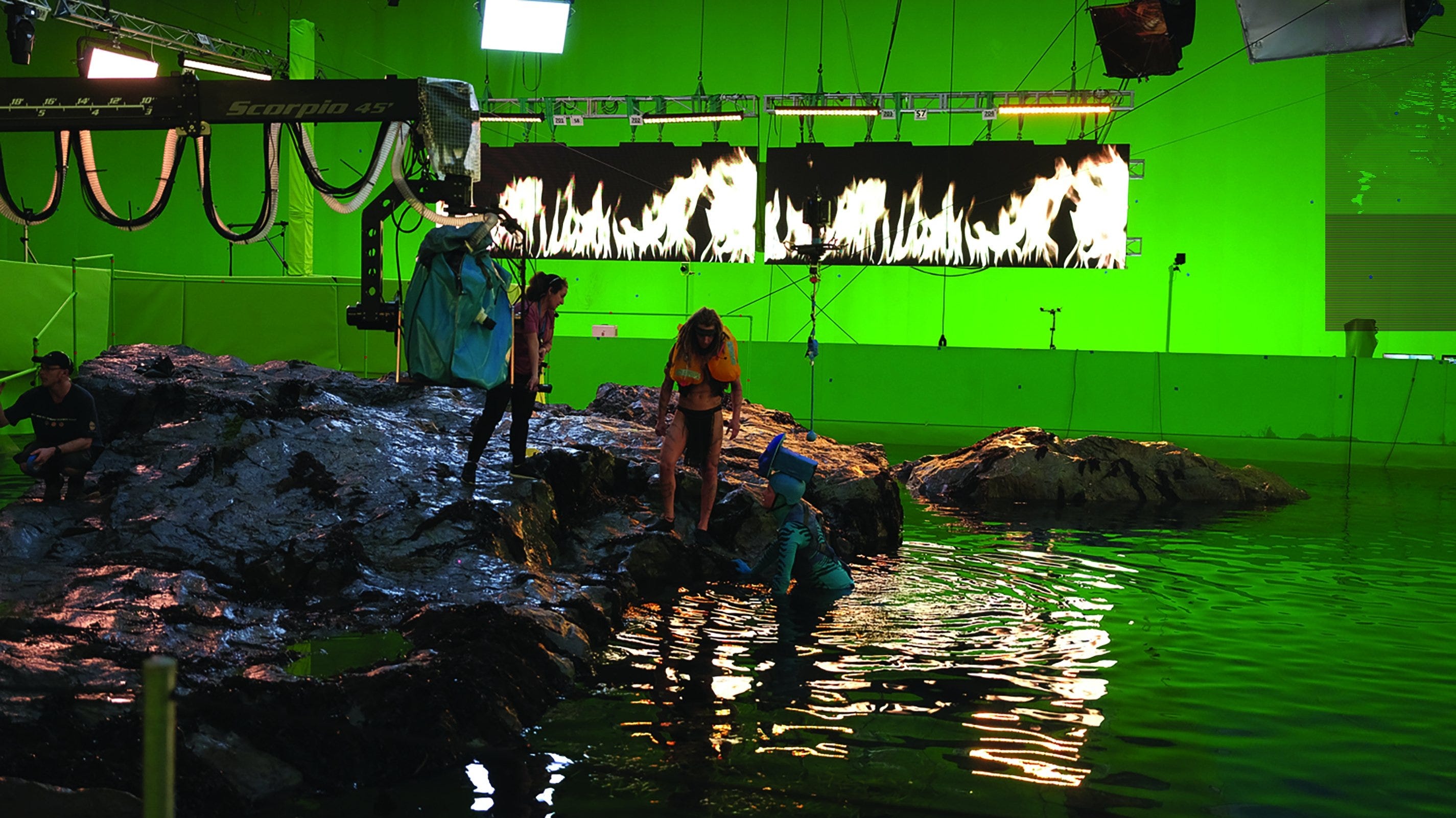
This is the source of our love for improvisation. It’s the idea that an actor could so wholly be consumed by a character despite the artifice around them. The boldness of side-stepping a script or a director underpinned by millions of dollars. It brings peace to our mental model, because in our heads, why should artificial art be taken seriously? Why should the fake do anything for us? The improvising actor is the real actor, everyone else is pretending.
In an artificial art form, improvisation is suddenly real.
Improverty
But I’d like to push back on this idea. I think most instances of “improvisation moments” are grossly overblown, and they ignore the real nature of how a film comes to life.
A screenplay, for instance, is unique as a writing form because it is inherently unfinished. The screenplay is hollow in isolation, the same way a blueprint is hollow without its ultimate building. Screenplays are plans, and they change. They’re meant to ebb and flow. Sure, sometimes they are bibles. But most times, actors, as well as directors and writers, make them their own. Is every change made suddenly improvisation?
It is still talent that brings these visions to life. It’s just that the talent is less sexy when it’s written out, planned, and honed in advance.
It’s no different than improvisation in jazz. Yes, the music is spontaneous. But any musician will tell you that underneath are miles of chord progressions, intercommunication with other band members, and an entire legacy of trailblazers far beyond onesself. The spontaneity isn’t any one decision, but rather, the confluence of a million small decisions.
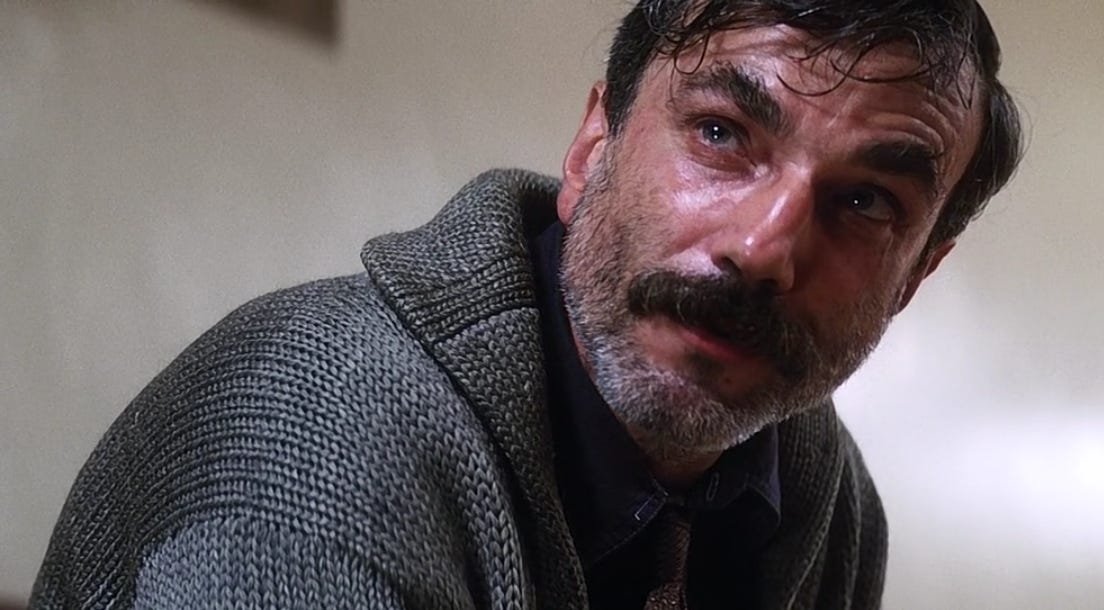
It’s interesting that so many view ‘method acting’ so lowly in comparison. As if going too far in the other direction – trying too hard to embody the character in a naturalistic way, at the expense of the self – ruins the magic too. We all want our heroes to stumble into their greatness, not work for it.
The magic that happens on a filmset, in my opinion, isn’t contained in the rogue decisions that are mythologized after the fact. It’s contained in the minutiae. In every tiny decision an actor makes, in every inflection they make with their dialogue, both scripted and spontaneous, just as the camera man pans, the editor cuts, and the score swells.
The magic of a film is that it exists at all. That something so artificial by nature can still soar so high.
See you all again soon! Until then, please get in touch if you have any thoughts or suggestions you’d like to share. If you want to keep up with what I’m watching, follow me on Letterboxd @atharv_gupta.
Thanks for reading The Kino! Subscribe for free to receive new posts and support my work.
🙌
https://substack.com/@leontsvasmansapiognosis/note/c-174169394